Orchestrating workflows in the Cloud
In the world of cloud computing, orchestrating workflows can feel a bit like trying to conduct a symphony with a bunch of musicians who forgot their sheet music. Whether you’re trying to get your microservices to play nice together or just want to ensure your business processes run smoothly, having the right orchestration tool is essential. In this blog post, we’ll dive into the heavyweight contenders of the orchestration arena: AWS Step Functions, Azure Logic Apps, Azure Durable Functions, and Temporal. Grab your baton; it’s time to conduct some cloud magic!
AWS Step Functions: The Maestro of Workflows
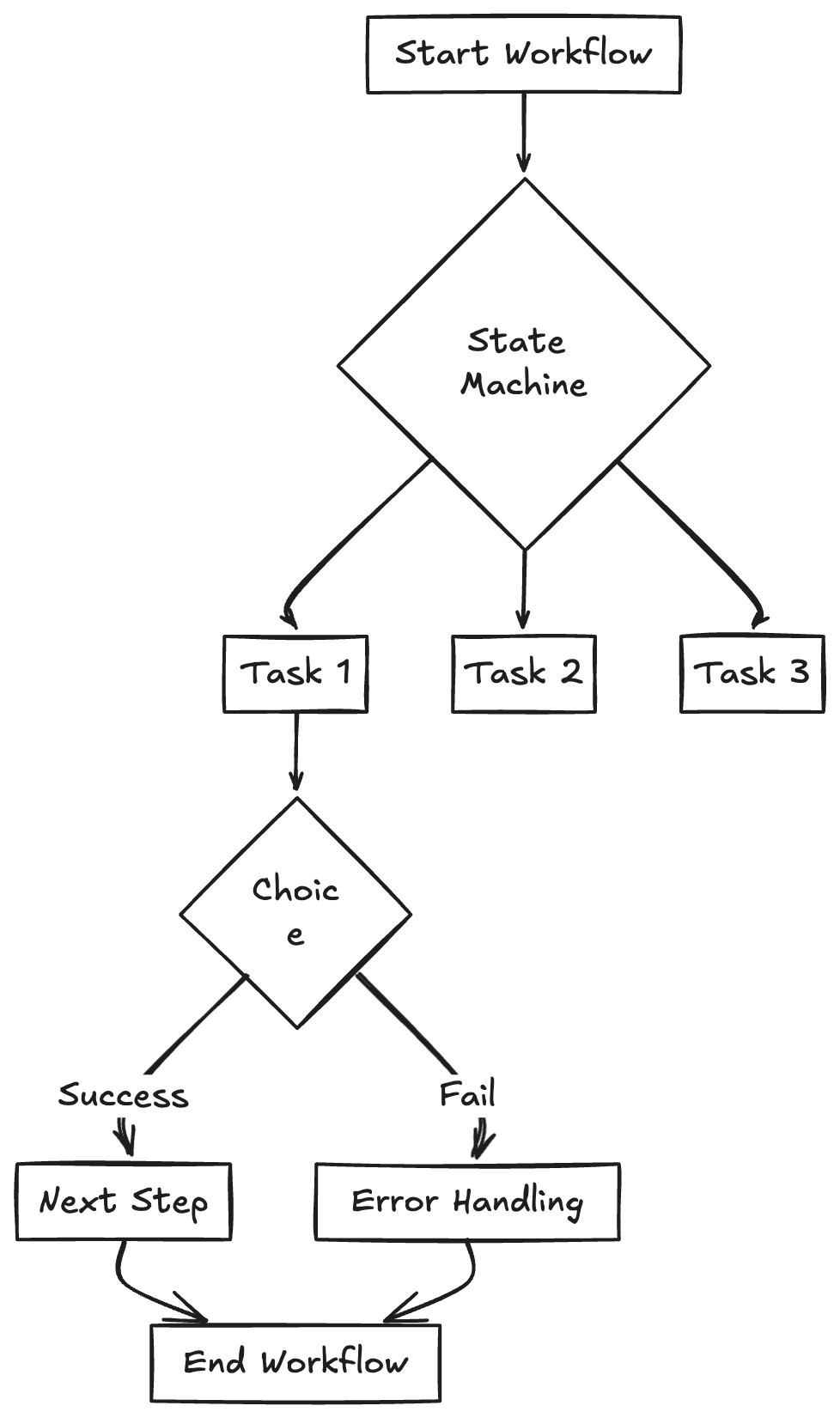
AWS Step Functions is like the well-trained conductor who knows exactly how to keep everything in sync. It allows you to build complex workflows by defining state machines using JSON. Think of it as creating a playlist for your cloud operations—each step leads seamlessly into the next, just like your favorite songs.
Pros
- Visual Workflow Design: You can visually design your workflows, which is great for those who prefer pictures over text—no judgment here!
- Seamless Integration: It integrates nicely with other AWS services, making it easy to orchestrate everything from Lambda functions to S3 buckets.
- Fault Tolerance: It automatically handles retries and error handling, so you can focus on composing your cloud symphony without worrying about missed notes.
Cons
- JSON Overload: Writing your workflow in JSON can feel like trying to write a symphony using only drum beats. It’s not always the most intuitive for complex logic.
- Limited Language Support: You’re essentially bound to the AWS ecosystem, which can feel like playing in a one-instrument band.
Azure Logic Apps: The Low-Code Wonder
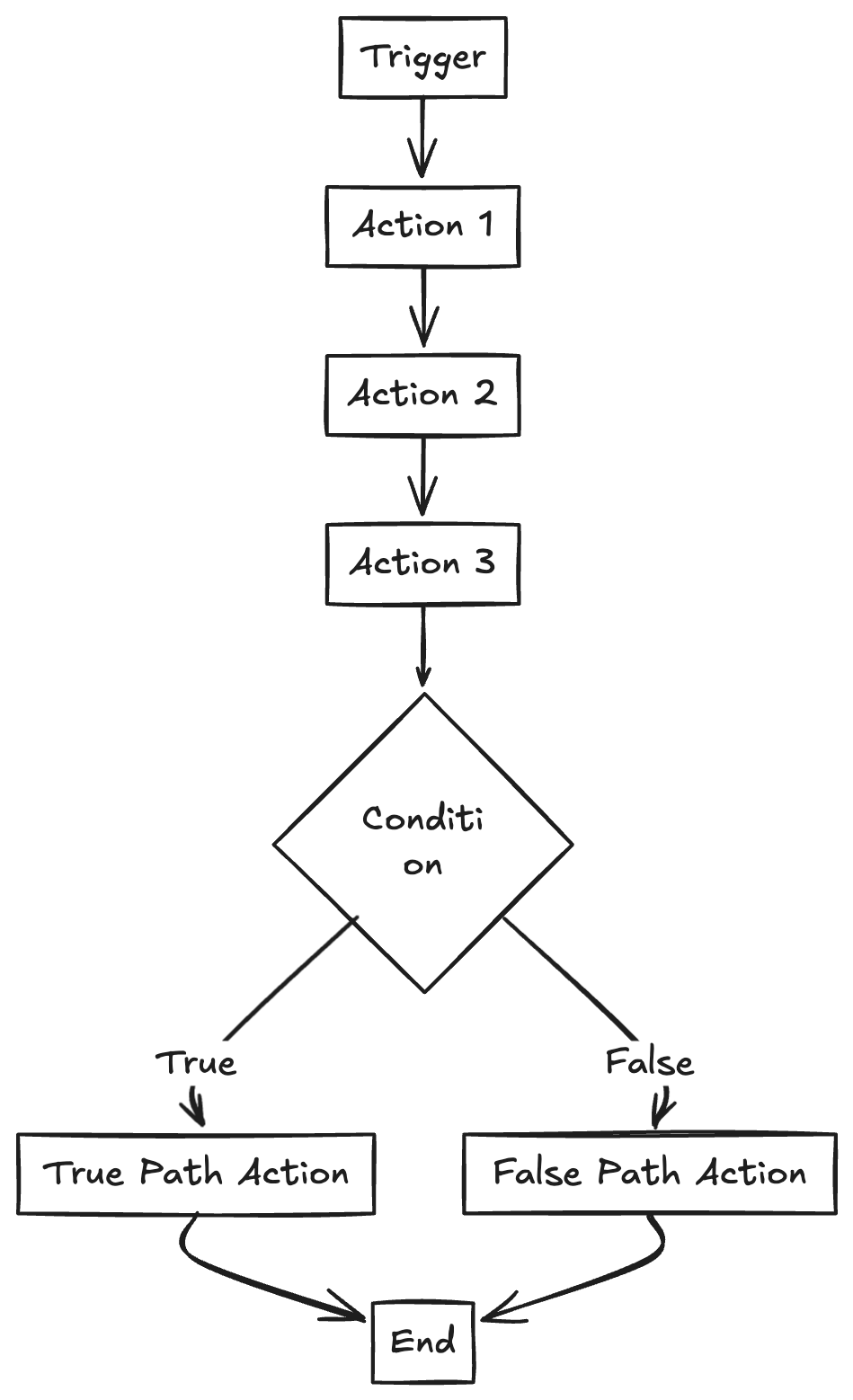
Azure Logic Apps is like that friend who insists on using low-code solutions for everything, including ordering pizza. It offers a no-code/low-code approach to workflow automation, making it accessible to everyone—yes, even your cat could probably use it (if only they could reach the keyboard).
Pros
- User-Friendly: With its drag-and-drop interface, even your tech-averse uncle can create workflows in no time.
- Rich Connectors: Logic Apps come with a plethora of connectors for various services, so you can easily integrate with third-party applications.
- Event-Driven: Perfect for handling events, it responds to triggers without breaking a sweat.
Cons
- Limited Control: If you want to define complex logic, be prepared to wrestle with JSON or ARM templates.
- Less Flexibility: As a no-code solution, it may not provide the fine-grained control some developers crave—kind of like trying to conduct a full orchestra with just a kazoo.
Azure Durable Functions: The Code-Centric Composer
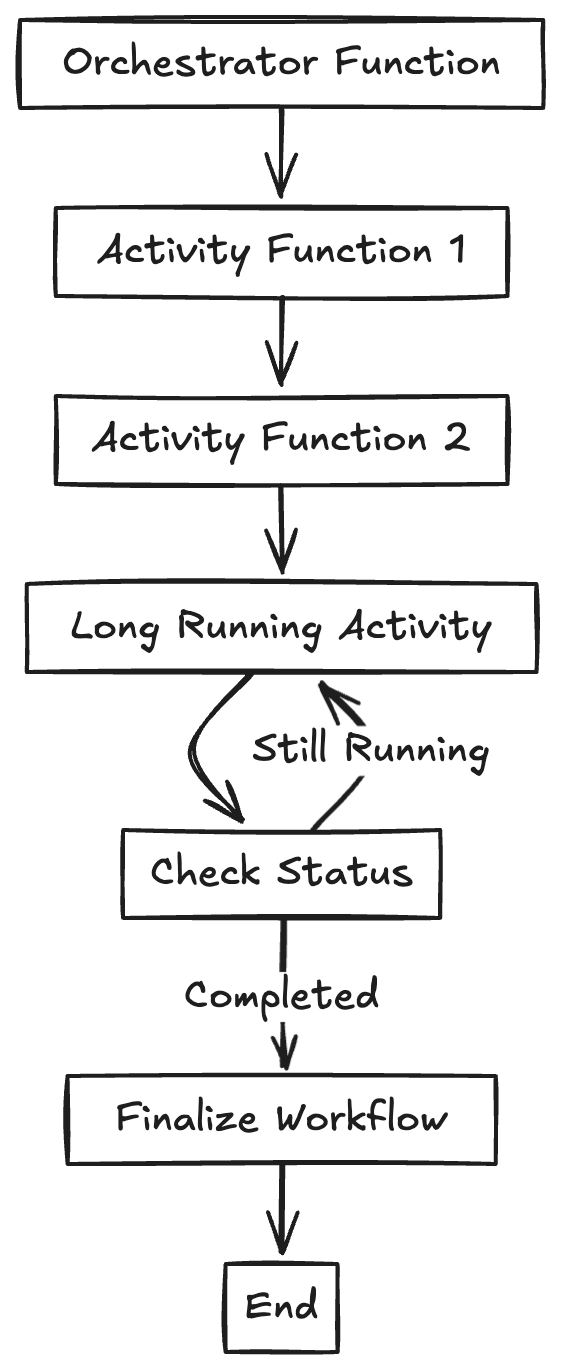
If AWS Step Functions is the conductor and Azure Logic Apps is the enthusiastic friend, then Azure Durable Functions is the composer—writing the code that brings everything to life. It allows you to define workflows in code using languages like C#, JavaScript, and Python, giving you complete control over orchestration.
Pros
- Code First: You can write your workflows in your preferred programming language, making it easy to test and maintain.
- Long-Running Workflows: Perfect for handling complex, long-running operations without losing track of state. It’s like ensuring the concert goes on without any intermissions.
- Durable State Management: Automatically manages state and handles failures gracefully.
Cons
- Learning Curve: If you’re not familiar with the Azure ecosystem, it might feel like learning a new musical scale—frustrating at first but rewarding once you get it.
- Limited Language Support: It primarily supports a few programming languages, which might not include your favorite.
Temporal: The New Kid on the Block
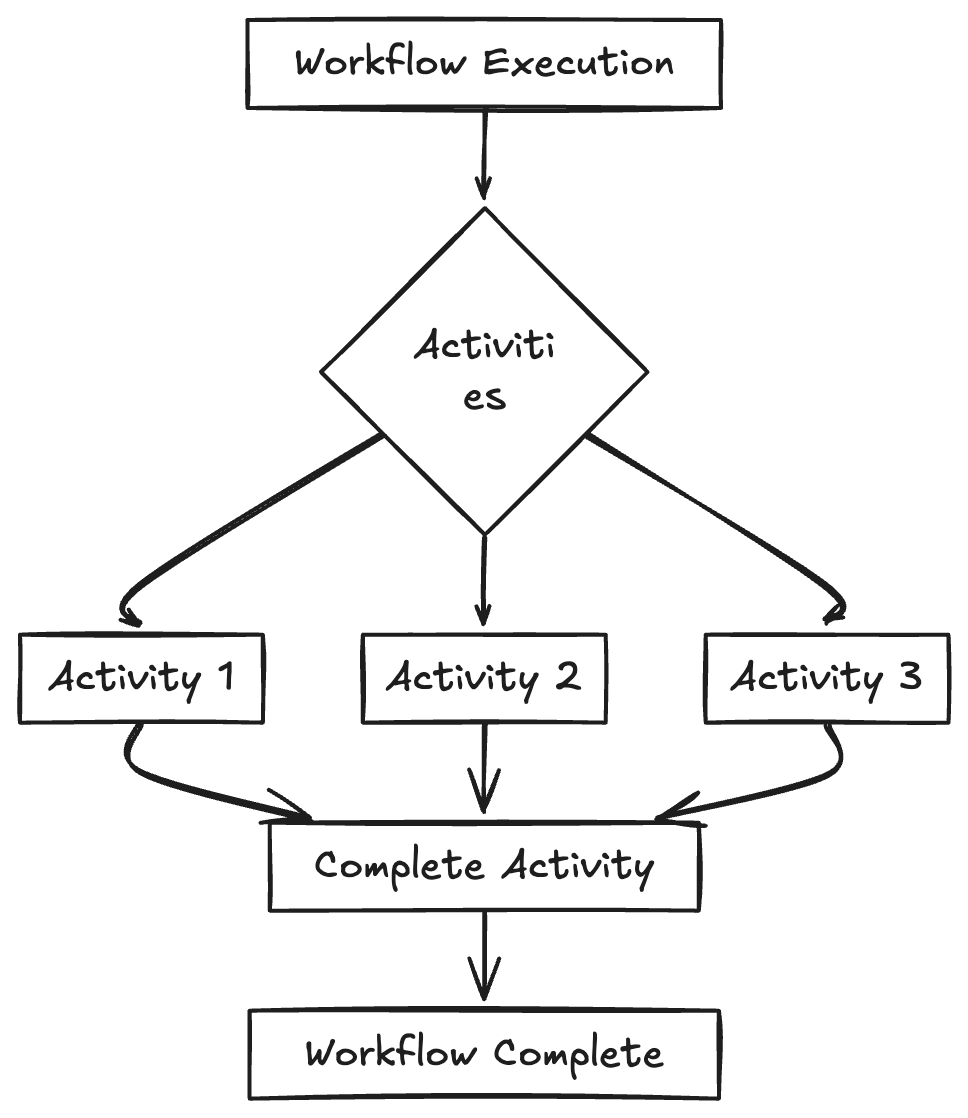
Temporal is like the new virtuoso who shows up with a unique style and a lot of potential. It’s an open-source workflow orchestration platform that lets you define workflows in code (like Durable Functions) but aims to provide more flexibility and robustness.
Pros
- Decoupled Workflows and Activities: You can easily separate the orchestration logic from the business logic, making it easier to update your workflows without messing with the underlying activities—think of it as rearranging the chairs without disrupting the concert.
- Fault Tolerance and Reliability: Temporal automatically handles retries and state management, so you don’t have to sweat the small stuff.
- Multi-Language Support: With support for languages like Go, Java, and TypeScript, it caters to a wide range of developer preferences.
Cons
- Complexity: Being a newer player, it might require a bit more setup and configuration, which could feel like tuning a new instrument—some fiddling may be needed.
- Community and Documentation: As an emerging platform, its community and documentation may not be as robust as the established giants—kind of like searching for sheet music in a deserted library.
Suggestions for Specific Scenarios
Now that we’ve dissected our orchestration options, here are some suggestions for specific scenarios to help you choose the best tool for your needs:
Use Azure Durable Functions with Python or JavaScript:
If you prefer writing code and need to handle long-running workflows, Azure Durable Functions is your go-to choice. Python and JavaScript support allows you to write your workflows in familiar languages, making it easy to test and maintain your code.Use Pulumi with Logic Apps:
If you want to combine the best of both worlds, consider using Pulumi with Logic Apps:- Pulumi Adds Cloud-Agnostic Flexibility: By using Pulumi, you gain the ability to manage your infrastructure as code across multiple cloud providers. This means you can orchestrate your workflows without being locked into a single cloud ecosystem—like having a versatile musician who can play any genre!
- Pulumi Might Help Convert Code into JSON/ARM Templates: If you’ve got code written in Go or TypeScript, Pulumi can assist in converting it into the necessary JSON or ARM templates for Logic Apps. It’s like having a translator who speaks both orchestral music and modern pop!
The Final Bow
When it comes to orchestrating cloud workflows, each of these tools has its unique strengths and quirks. AWS Step Functions excels in visual design and AWS integration, while Azure Logic Apps offers user-friendly low-code solutions. Azure Durable Functions provide a code-centric approach for long-running tasks, and Temporal is redefining workflow orchestration with its decoupled architecture and multi-language support.
Ultimately, the best choice depends on your specific needs, the complexity of your workflows, and the level of control you desire. So pick your tool, grab your metaphorical baton, and start conducting your cloud symphony. Just remember to keep an eye on those pesky musicians—things can get a little chaotic up there in the cloud!
Share This Post
If you found this post helpful or entertaining, please share it with your friends!
Share on Twitter
Share on Facebook
Share on LinkedIn
Share on Reddit